On Reading Images
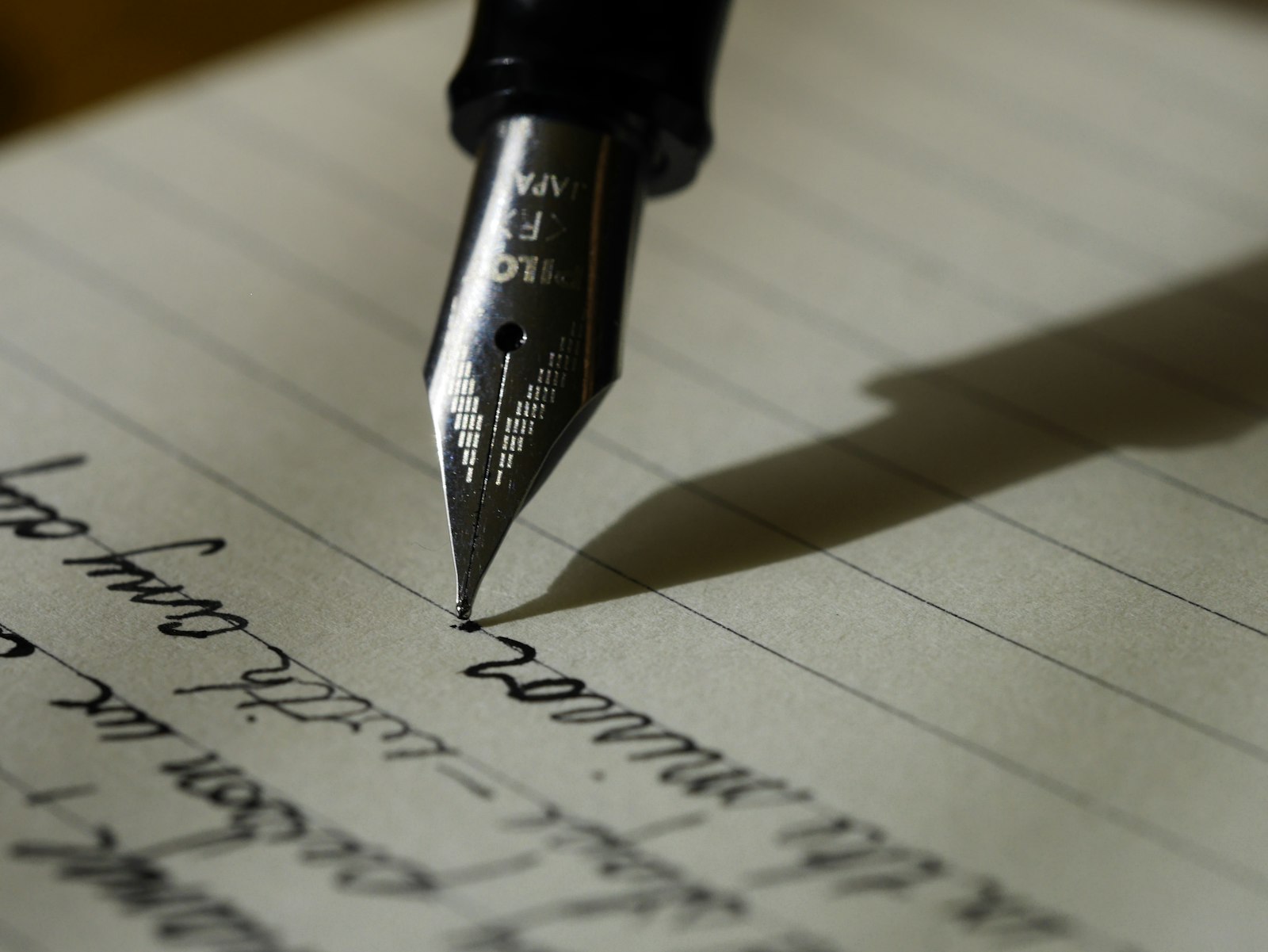
There is a threshold in every page where the letters stop being read and start being seen. We cross it without noticing — a headline grows large enough that we register its silhouette before its meaning, a caption shrinks until its texture matters more than its content. This essay is about that threshold and the practical decisions a designer makes on either side of it.
Reading is a slow, sequential act. The eye picks up a few letters at a time, the mind assembles them into words, and the words into sentences. Seeing is fast and parallel. A poster announces itself before we have finished blinking. The skill of typography is, in part, the skill of choosing which mode you want the reader to occupy and for how long.
Most design pedagogy treats these two modes as separate problems. Editorial typography handles reading; display typography handles seeing. In practice the most interesting work happens at the seam, where a body paragraph briefly becomes a picture or a logotype unexpectedly asks to be read aloud. I am most curious about that seam.
The examples I keep returning to are small: a footnote set in a weight heavy enough to feel like a stamp, a chapter opening that uses the first word as architecture, a wayfinding system in which the arrows are letters and the letters are arrows. None of these are formal innovations. They are arguments about attention.